

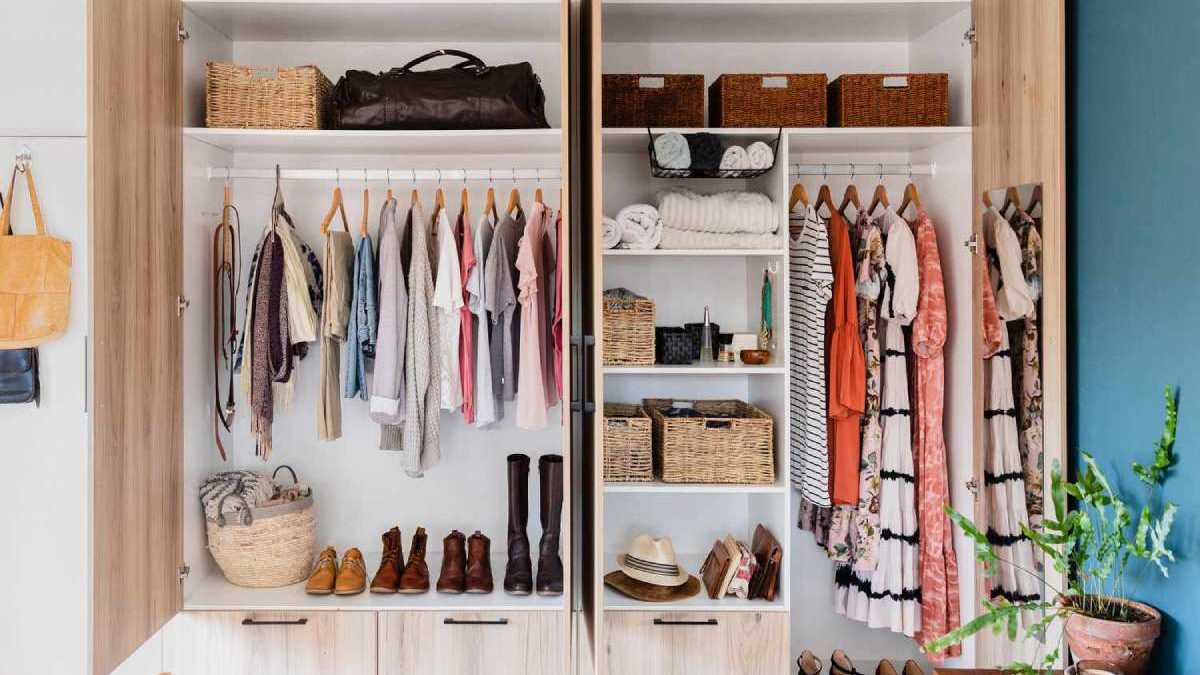
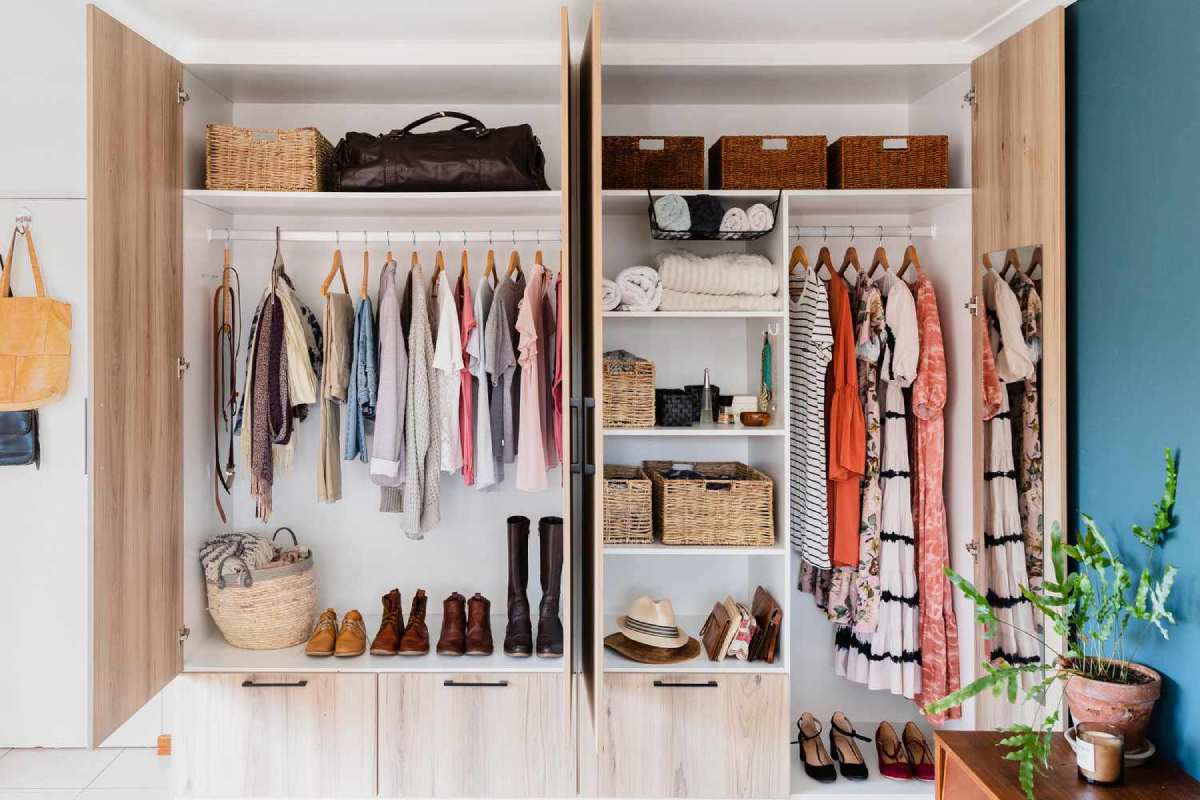
Closet systems are one of the most effective ways to turn cluttered closets into organized, functional spaces. Instead of a single rod and shelf, they use modular components—shelves, drawers, hanging rods, and accessories—to maximize every inch of space.
In simple terms:
A closet system is a structured storage framework that helps you store clothes and accessories in a way that matches how you actually live and get dressed.
With homes getting smaller and wardrobes getting more diverse, closet systems are no longer a luxury—they’re a practical upgrade.
Table of Contents
Who Closet Systems Are For
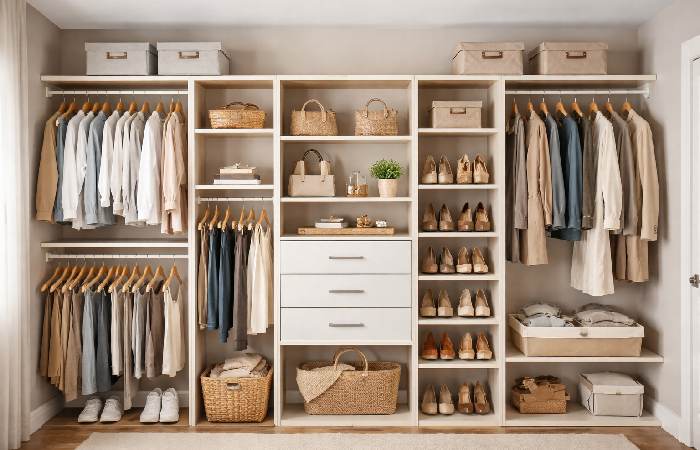
Closet systems make the most sense if you:
- Feel your current closet wastes space
- Own a mix of long garments, folded clothes, shoes, and accessories
- Want faster, stress-free daily dressing
- Are remodeling, moving, or upgrading storage
- Prefer organization over constant decluttering
They work equally well for bedrooms, walk-in closets, kids’ rooms, rentals, and even entryways.
Who Should Be Cautious or Avoid Them
Closet systems may not be ideal if:
- You move frequently and can’t uninstall easily
- Your closet walls are uneven or structurally weak
- You expect a drastic lifestyle change soon (e.g., downsizing)
- You want zero installation effort
In these cases, freestanding wardrobes or temporary organizers may be better.
Types of Closet Systems (With Real-World Use Cases)
1. Modular Closet Systems
These are pre-designed components that can be arranged in multiple ways.
Best for: Renters, first-time buyers, flexible storage needs
Pros:
- Affordable
- Easy to reconfigure
- Widely available
Cons:
- Limited sizing precision
- May not use space perfectly
2. Custom Closet Systems
Designed specifically for your space, often professionally installed.
Best for: Walk-in closets, long-term homes
Pros:
- Perfect fit
- High-end finish
- Maximum space utilization
Cons:
- Expensive
- Less flexible later
3. DIY / Wire Closet Systems
Metal or wire-based kits that are easy to install.
Best for: Utility closets, budget upgrades
Pros:
- Very affordable
- Good airflow
- Lightweight
Cons:
- Industrial look
- Less durable for heavy loads
4. Freestanding Closet Systems
Standalone units not fixed to walls.
Best for: Temporary setups, rentals
Pros:
- No installation
- Portable
Cons:
- Takes floor space
- Lower storage efficiency
Closet Systems by Closet Type (Competitors Barely Go Deep Here)
Most top pages talk about types of systems, but not how they behave in different closet layouts. Google rewards this specificity.
Reach-In Closet Systems
Best practices:
- Prioritize double-hanging rods (top + bottom)
- Use shallow drawers (14–16 inches) to preserve walkway space
- Open shelving works better than doors
Common failure point: People overuse shelves and underuse hanging space.
Walk-In Closet Systems
Optimization rules:
- Zone by function: workwear, casual, seasonal
- Center islands only work if clearance is 36 inches or more
- Lighting placement matters more than materials
Ranking edge: Add a note that poor lighting is the #1 reason walk-in closets feel cluttered even when organized.
Small Apartment & Rental Closet Systems
Key constraints:
- Non-drilling or minimal-drill installation
- Adjustable vertical standards
- Lightweight materials
- Reality check: Overbuilt systems in rentals often reduce usable space instead of improving it.
Closet System Materials Compared
| Material | Durability | Look | Cost | Best Use |
|---|---|---|---|---|
| Engineered Wood | Medium–High | Modern | $$ | Bedrooms |
| Solid Wood | Very High | Premium | $$$$ | Custom closets |
| Metal/Wire | Medium | Minimal | $ | Utility closets |
| MDF | Medium | Clean | $$ | Budget installs |
Benefits of Closet Systems (Short & Long Term)
Short-term benefits
- Immediate visual organization
- Faster daily routines
- Less clutter stress
Long-term benefits
- Better clothing care
- Reduced need for extra furniture
- Increased home value perception
Common Closet System Mistakes (And How to Avoid Them)
Mistake 1: Designing for Clothes You Don’t Wear
Fix: Build storage around daily and seasonal use, not aspirational outfits.
Mistake 2: Ignoring Vertical Space
Fix: Use top shelves for luggage and off-season items.
Mistake 3: Too Many Hanging Rods
Fix: Mix hanging, shelving, and drawers for balance.
Mistake 4: Overbuilding
Fix: Leave 10–15% free space for future additions.
Closet Systems: Myths vs Facts
1: Closet systems are only for luxury homes
Fact: Many effective systems cost less than a dresser
2: Custom systems are always better
Fact: Modular systems often meet 80–90% of needs at half the cost
3: You need a walk-in closet
Fact: Small closets benefit the most from smart systems
Closet Systems vs Wardrobes vs Armoires (High-Intent Comparison)
This section captures comparison + commercial intent queries.
| Feature | Closet System | Wardrobe | Armoire |
|---|---|---|---|
| Space efficiency | High | Medium | Low |
| Customization | High | Low | Very low |
| Installation | Moderate | None | None |
| Long-term flexibility | High | Low | Low |
| Best for | Permanent homes | Rentals | Decorative use |
Bottom line: Closet systems win when space efficiency and daily usability matter more than aesthetics
Closet System Load Capacity & Durability (Rarely Covered, High Trust)
Top pages mention “durable” without numbers. This adds credibility.
Typical load guidelines:
-
Hanging rods: designed for daily clothing, not storage bins
-
Shelves: strongest when supported on both sides
-
Wire systems: better airflow, lower weight tolerance
-
Wood systems: higher load capacity but sensitive to moisture
Trust signal: Overloading is the most common cause of early failure—not material quality.
Closet System Maintenance & Longevity
Most ranking pages stop at installation.
How to Make Closet Systems Last Longer
- Retighten fasteners annually
- Avoid storing heavy items above shoulder height
- Clean tracks and drawer slides twice a year
- Use liners to prevent shelf wear
Expected lifespan (general):
- Wire systems: long-lasting with low aesthetic wear
- Engineered wood: long-term if moisture is controlled
- Solid wood: longest lifespan, highest upkeep
Step-by-Step: How to Choose the Right Closet System
Step 1: Measure Precisely
Measure width, depth, height, and note obstacles.
Step 2: Audit Your Wardrobe
Count:
- Hanging items (short vs long)
- Folded clothes
- Shoes
- Accessories
Step 3: Decide Flexibility vs Permanence
-
Renters → Modular or freestanding
-
Homeowners → Custom or semi-custom
Step 4: Set a Realistic Budget
Typical global ranges:
- Wire systems: low budget
- Modular systems: mid-range
- Custom systems: premium
Step 5: Plan Installation
DIY systems take 2–5 hours. Custom installs vary.
Real-World Scenario
A small bedroom closet (6 ft wide) upgraded with a modular closet system typically gains:
- 30–40% more usable storage
- Clear zones for daily wear vs seasonal clothes
- Reduced need for external storage furniture
This is a common reason closet systems are recommended during minor home upgrades
Conclusion
Closet systems are not just about adding shelves or rods—they’re about designing storage around how you actually live. The best closet system balances space efficiency, flexibility, and durability, while avoiding the common mistakes that lead to wasted space or early replacement.
Whether you’re working with a small reach-in closet or a full walk-in, the right system can increase usable storage, protect your clothes, and simplify daily routines. Modular options work well for flexibility and rentals, while custom systems make sense for long-term homes where precision and finish matter more.
FAQ
Do closet systems work in humid climates?
Yes, but materials and ventilation matter more than design.
Can closet systems be moved to a new home?
Modular systems often can; custom systems usually cannot without resizing.
How long does closet system installation take?
DIY installs usually take a few hours; custom installations vary by complexity.
Are open closet systems better than closed ones?
Open systems improve visibility but require better organization discipline.